经过下午充足且大量的睡眠后,我工作时的专注力达到前所未有的高度,内心也十分平静。
所以我本来就应该做到晚上 9 点- 9 点半开始睡觉,这样早上 6、7 点起来也已经睡够 9 到 10 小时。
经过下午充足且大量的睡眠后,我工作时的专注力达到前所未有的高度,内心也十分平静。
所以我本来就应该做到晚上 9 点- 9 点半开始睡觉,这样早上 6、7 点起来也已经睡够 9 到 10 小时。
又找到一个检测 IP 纯净度的网址,据说专治不服。
我们检测大量IP数据,以及针对tiktok,facebook,油管等平台实际大量测试,统计影响IP质量的有效参数。为做外贸电商,海外社交流量用户提供方便检测工具。
原来只是评论区,现在是 𝕏 的帖子都用 AI 写稿,透着一股浓浓的 AI 味(最值得看的是;不是……而是……;把 xxx 拆了看)看到这种稿子我就是两眼发黑,看都看不下去🤦。
既然来 𝕏 做自媒体了,就不能用心一些,自己稍微费些时间和心思写稿吗?
相比于原名《80亿分之1》,我更想称这款游戏名为《你一生的故事》。
随机出生在一个国家,在时间流逝和抉择中过完一生,颇有「走过一生」甚至是「走马灯」的感觉。
虽然第一次玩出生在不熟悉的尼日利亚,但人类的情感是永恒与共通的,因而玩完后,我感到了恍惚。
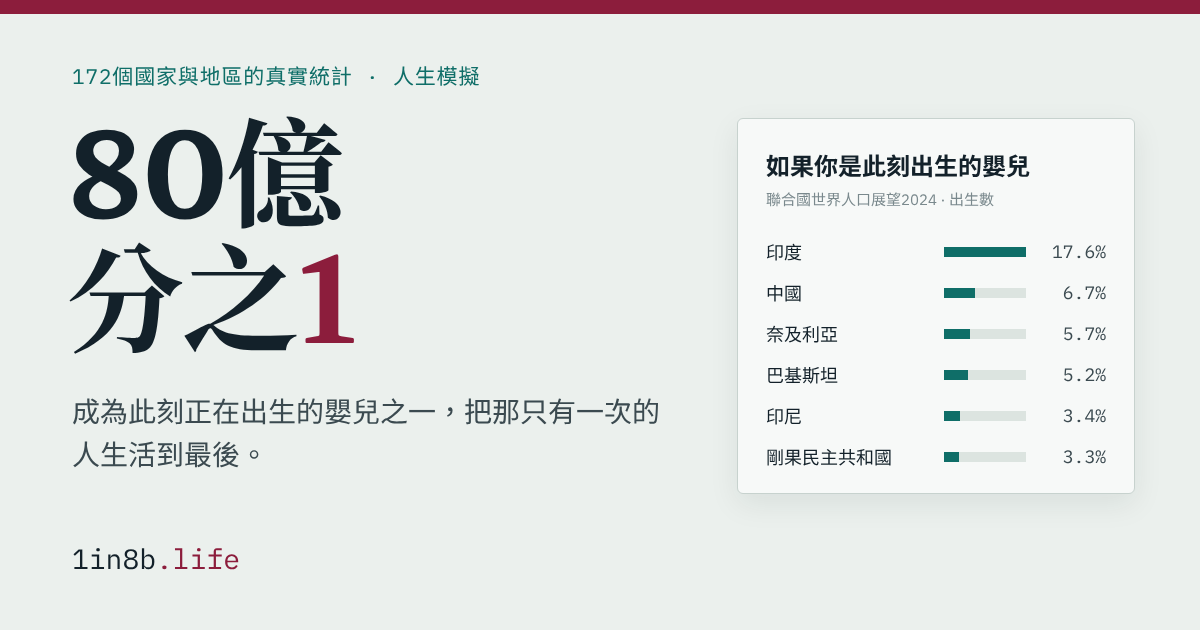
成为此刻正在出生的婴儿之一,在172个国家与地区的真实统计中,活过那个人的一生。你会在哪里出生?
收录一个测试 Claude 使用 IP 纯净度和风险的网站:

免费 IP 纯净度检测,聚合 20+ 数据源,0–100 纯净度评分 + 欺诈风险分,实时识别 VPN/代理/数据中心。跨境防关联、爬虫风控必备。
记录一个介绍科学上网的站点,内容介绍得还挺详细,可用于普及科学上网知识点,也可用于参考实操。
但具体使用还需甄别:

2026机场推荐与VPN梯子推荐指南:精选稳定机场、便宜机场和高性价比机场,持续更新节点推荐、机场测评与IPLC/IEPL专线对比,覆盖Clash、Shadowrocket、V2Ray及Netflix、TikTok、ChatGPT使用教程。
逆天,Claude 封号都被做成了一款像素游戏《IP, PLEASE》,6 天剧情 + 2 个结局,全程约 30 分钟。
玩家在游戏中扮演 Claude 边境检察官,审查游戏人物是否违反宪法规定,并予以通过或拒绝入境。
游戏会随着天数的推移增加难度和内容,从仅查看 IP,到时区、语言与 IP 需要一致,到支付方式,再到后台进程扫描……展现了中国用户如何通过各种方法尝试避开 Claude 审查。除了提供审查结果,游戏后续还会解锁「测谎」、「拘留」、「X 光」等丰富玩法。
虽然玩起来很心酸,但这何尝不是一种防 Claude 封号的基础知识教学和测试😂?我在审查时区、语言和 IP 这一关就放走了好几位伪装的用户,看来基础知识不过关,还得补补课。
不过游玩下来,也是体验到作者对 Claude 封号的讽刺——按地区封锁和各种伪装的荒诞,也致敬了 Lucas Pope 的游戏《Papers, Please》。
在线游玩网址:
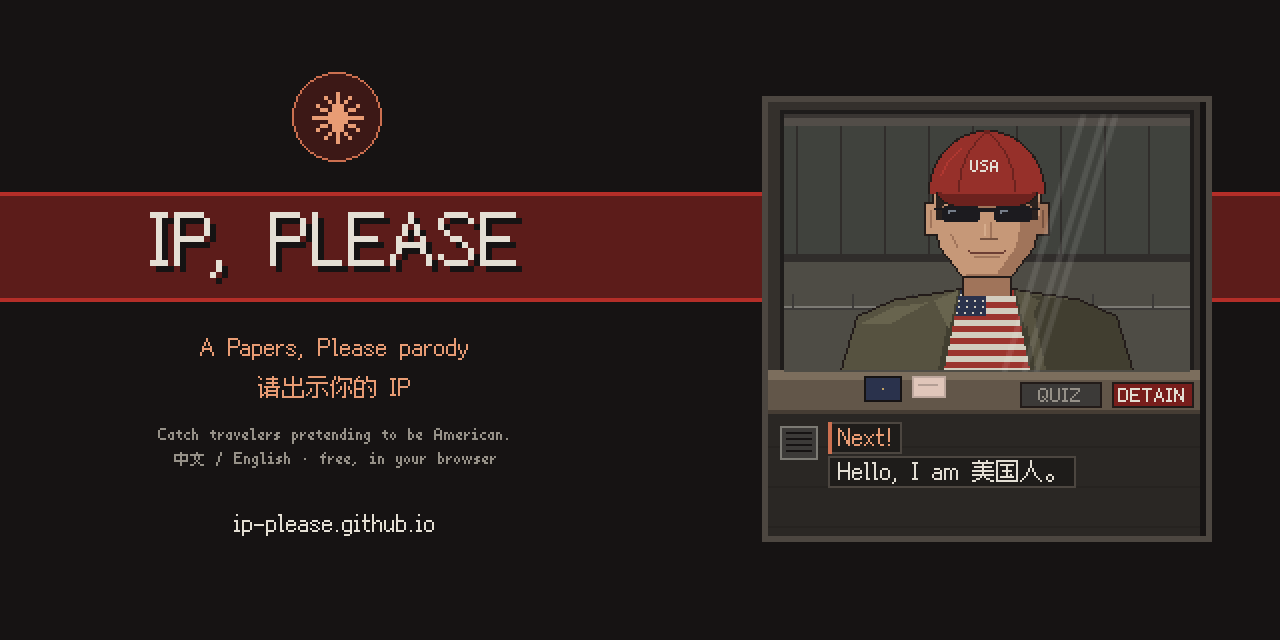
A Papers, Please parody: you are Claude, the border inspector catching travelers pretending to be American. 中文 / English, free in your browser.
项目开源地址:
Contribute to ip-please/ip-please.github.io development by creating an account on GitHub.
关于人类学学科的自恋另有讨论,一如我在田野调查之中总潜意识地将研究对象和内容归于学科的话语体系。
但在实际的田野工作中,我也总犹疑与纠结于与真实的人相处——我这样走过去 Ta 会怎么想?Ta 会觉得我很奇怪吗?接下来好像不知道该说些什么了,怎么办……种种念头反反复复,竟实实在在地阻碍着我行动,徘徊不前,拧巴不已,以致于田野调查有时变成一种不得不完成的任务,必须逼迫自己完成。
但当有意识地抛开这一切,以一种暂时什么都不管的心态「莽撞」上去,允许一切可能变得糟糕,反而才能成功完成一次对话。换句话说,将那些关于 Ta 人如何看待自己的猜忌消除,别把自己太当回事,直接行动,行动,行动,便足矣。
我不清楚田野中的人究竟如何看待我,但事实上,这似乎真的不重要。因为在一次次的分离与再次相遇中。Ta 们都一如过往般回应我那些不自然的问候,并慷慨地与我进行分享。
人类学说是研究 Ta 者(Others),实际上不过将 Ta 者当作照见自身自恋的镜子。
我开始觉得人类学是一种自恋了。
